
Operating a PET blow molding machine requires strict adherence to safety protocols to protect personnel and equipment. At YUSHUN, as a specialist in high-precision PET preform molds and blow molding systems, we prioritize safety in every aspect of machine design and operation. This comprehensive guide outlines essential safe operating procedures, drawing from industry standards and best practices.
1. Pre-Operational Safety Checks
Before starting any blow molding machine, a thorough pre-operational inspection is essential to identify and mitigate potential hazards .
All operations must be performed in accordance with relevant procedures, including standard operating procedures (SOPs) and safe work method statements .
2. Personal Protective Equipment (PPE)
Operators must wear appropriate PPE at all times to protect against identified hazards :
Entrances into plant areas requiring specific PPE are usually marked with signs indicating the type of protection required .
3. Operational Safety Procedures
Start-Up
Dry Run: Run the machine without material to warm hydraulics and components to operating temperature as required .
Parameter Verification: Check temperature, pressure, and speed settings against the product specification .
Ejector Check: Ensure the ejector is retracted and not between mold halves .
Cycle Test: Cycle clamp and blow controls to ensure proper function; report any misalignments immediately .
During Operation
Keep Hands Clear: Never place hands or limbs in the mold area during operation .
Monitor Process: Continuously check product quality and process parameters (temperature, pressure, cycle time) .
Containment: Ensure proper containment for ejected products to prevent injuries from falling bottles .
Machine Guards: Never bypass or remove safety guards during operation .
Emergency Stop
Familiarize yourself with the location and operation of all emergency stop buttons .
Press emergency stop immediately in case of malfunction, unsafe condition, or injury .
Resetting a safety interlock shall not directly initiate a cycle .
Shutdown
Pause/Stop: Pause the machine cycle as required, or stop in an emergency .
Clean-Up: Clean excess material from extruder and work area .
Housekeeping: Leave the work area in a safe, clean, and tidy state .
4. Hazard Identification and Control
Common Hazards
Lockout/Tagout (LOTO)
Before undertaking any maintenance or repair work, follow proper LOTO procedures: disconnect the machine from its power source, isolate it, and place warning tags to prevent accidental startup .
5. Training and Competency
Operators must receive thorough training on safe operation before working independently . Competency requirements include:
Ability to recognize routine and non-routine problems and take appropriate action .
Understanding of hazards and application of hazard controls .
According to industry body of knowledge, safety accounts for 21% of the required knowledge for a plastics machine operator, the highest weight among all content areas .
6. Maintenance Safety
Routine maintenance is critical for equipment safety and longevity:
Lubrication: Lubricate moving parts at the start of each shift; check gearboxes and chains regularly .
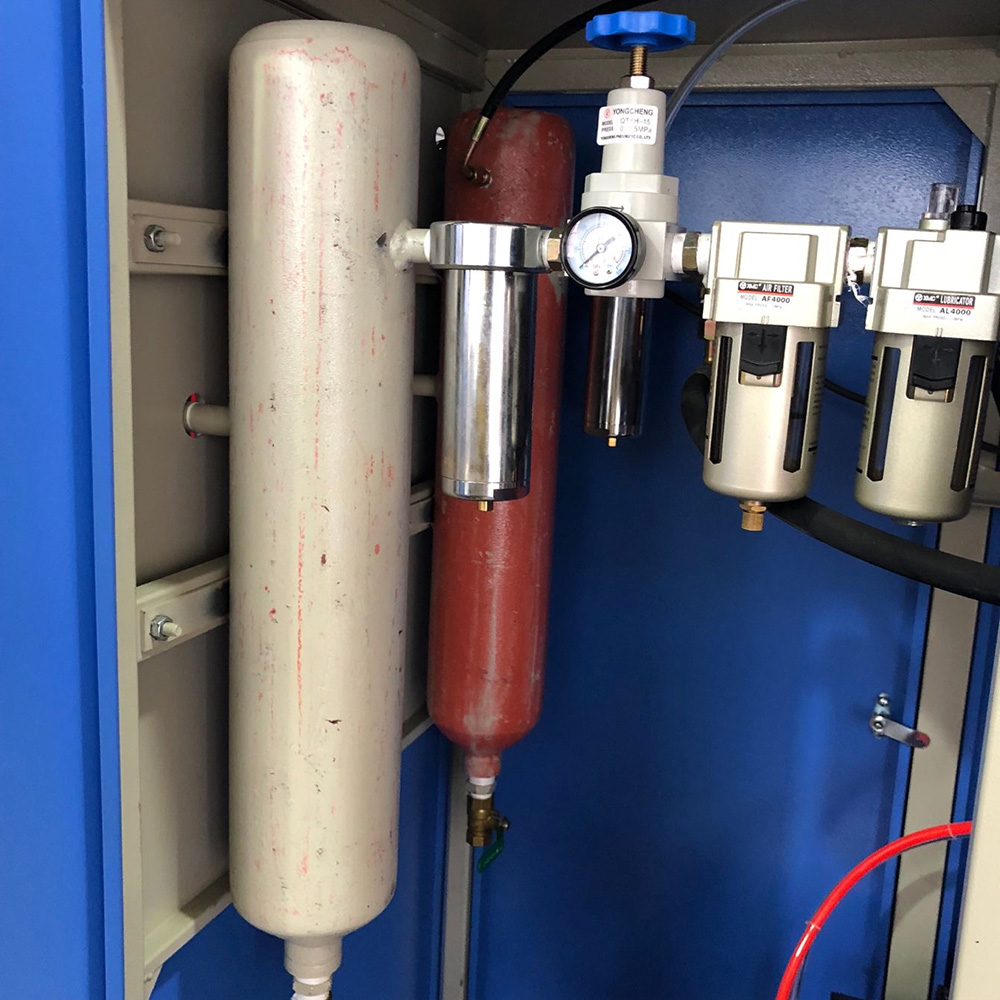
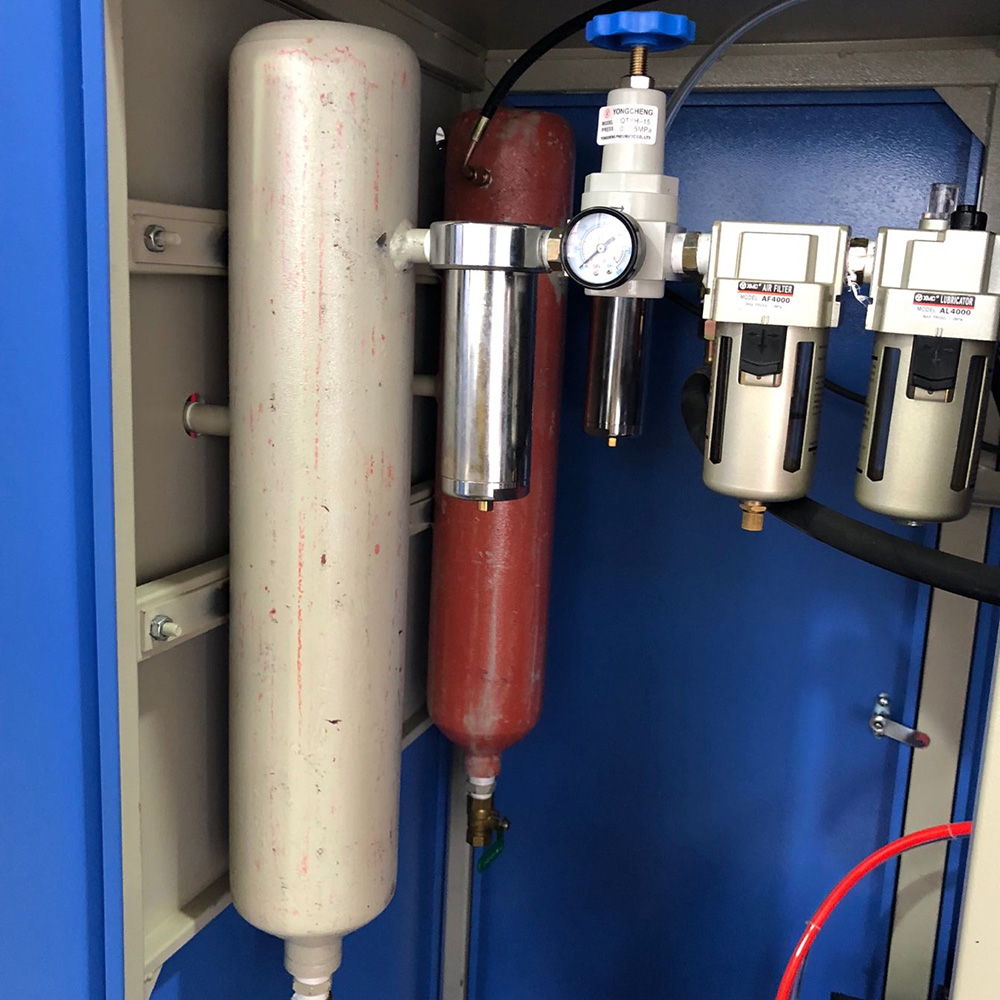
Inspection: Check pneumatic components for air leaks and movement sensitivity .
Heating System: Inspect lamps and reflectors for damage; clean reflectors regularly for heating efficiency .
Safety Devices: Test emergency stops, safety door switches, and protection device detection switches daily .
A great deal of money can be saved by using proper shutdown procedures; for example, preventing material degradation can eliminate extensive purging .
7. Industry Safety Standards
YUSHUN machines are designed to comply with key safety standards:
These standards require features such as monitored dual-channel interlocks for the mold area, emergency stops accessible from both sides, and blow air release monitoring to prevent mold opening under pressure .
8. YUSHUN's Commitment to Safety
As a professional PET preform mold solutions provider, YUSHUN integrates safety into every machine:
Interlocked Guarding: Designed to prevent access to hazardous areas during automatic cycles .
Emergency Stop Systems: Strategically placed buttons for immediate shutdown .
Blow Air Monitoring: Prevents mold opening under full blow pressure .
Operator Training: Comprehensive guidance and support for safe operation .
Servo Drive Technology: Reduces energy consumption and improves control precision, enhancing safety through smoother operation.